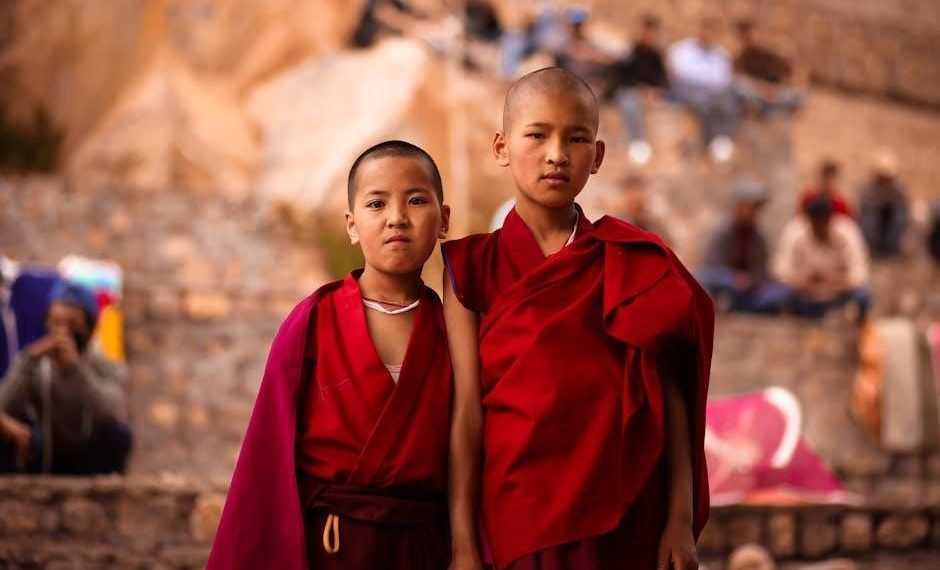
dungeons and dragons monk guide
Dungeons and Dragons Monk Guide ⎯ An Overview
Monks in Dungeons & Dragons 5e are disciplined martial artists‚ fueled by Ki‚ offering incredible speed and striking power; this guide illuminates their path․
The Monk class in Dungeons & Dragons 5th Edition embodies a unique blend of martial prowess and spiritual discipline․ Unlike heavily armored warriors or spellcasting wizards‚ Monks rely on their bodies as weapons‚ honed through rigorous training and fueled by an inner energy called Ki․ They are masters of unarmed combat‚ capable of delivering swift and devastating strikes‚ and possess an unparalleled agility that allows them to move across the battlefield with grace and precision․
Often secluded in monasteries or wandering as ascetics‚ Monks dedicate their lives to perfecting their physical and mental capabilities․ This dedication grants them extraordinary abilities‚ including enhanced speed‚ the ability to deflect projectiles‚ and the power to channel Ki into various combat techniques․ Playing a Monk offers a dynamic and engaging experience‚ focusing on tactical positioning‚ resource management‚ and a flurry of impactful blows․
Core Concepts: Ki and Martial Arts
At the heart of the Monk class lie two fundamental concepts: Ki and Martial Arts․ Ki represents the Monk’s inner energy‚ a mystical power source used to fuel their extraordinary abilities․ It’s a limited resource‚ demanding careful management during combat‚ powering Flurry of Blows‚ Patient Defense‚ and other unique techniques․ Mastering Ki usage is crucial for maximizing a Monk’s effectiveness․
Martial Arts form the foundation of the Monk’s combat style․ Unlike fighters who rely on weapons‚ Monks utilize unarmed strikes and their incredible agility․ The Martial Arts feature grants proficiency in simple weapons‚ but the true strength lies in their ability to make multiple attacks as a bonus action – a ‘Flurry of Blows’ – and to seamlessly integrate movement into their attacks‚ making them incredibly mobile and dangerous opponents․
Monk Subclasses (Monastic Traditions)
Monastic Traditions define a Monk’s specialized training‚ offering diverse paths like the Way of Shadow‚ Open Hand‚ or the Four Elements‚ shaping their abilities․
Way of the Open Hand ⎯ Striking and Versatility
The Way of the Open Hand embodies the quintessential Monk‚ focusing on perfecting unarmed strikes and body discipline․ This tradition enhances the Monk’s core martial arts prowess‚ granting abilities that amplify damage and control․ At 3rd level‚ Open Hand practitioners learn to channel Ki to create powerful shockwaves with their strikes‚ potentially pushing enemies away or even knocking them prone․
Further progression unlocks techniques like Wholeness of Body‚ allowing for self-healing during short rests‚ bolstering survivability․ The Open Hand Monk excels at both dealing consistent damage and disrupting enemy formations‚ making them incredibly versatile in combat․ They are masters of adapting to any situation‚ relying on their speed‚ agility‚ and refined techniques to overcome challenges․ This path is ideal for players who enjoy a straightforward‚ yet highly effective‚ combat style․
Way of Shadow ― Stealth and Illusion
The Way of Shadow transforms the Monk into a master of stealth and deception‚ blending into darkness and utilizing illusions to confound foes․ At 3rd level‚ Shadow Monks gain the ability to use Ki to cast minor illusion and darkness‚ enhancing their infiltration and escape capabilities․ They can also teleport between shadows‚ gaining a significant advantage in mobility and positioning during combat or reconnaissance․
Further levels unlock Shadow Step‚ allowing for swift and silent movement across the battlefield‚ and Opportunities Attack from the shadows․ This tradition favors a more tactical playstyle‚ rewarding players who prioritize positioning‚ timing‚ and exploiting vulnerabilities․ Shadow Monks excel at gathering information‚ ambushing enemies‚ and disappearing without a trace‚ making them invaluable assets to any adventuring party․
Way of the Four Elements ⎯ Elemental Manipulation
The Way of the Four Elements allows Monks to harness the raw power of fire‚ water‚ earth‚ and air‚ imbuing their martial arts with elemental energy․ Beginning at 3rd level‚ these Monks can expend Ki points to infuse their attacks with elemental effects‚ dealing extra damage and potentially inflicting conditions like burning‚ freezing‚ or knocking prone․
As they progress‚ Four Element Monks gain access to more potent abilities‚ such as creating walls of fire or summoning gusts of wind․ This subclass offers a versatile combat style‚ adapting to different situations and enemy weaknesses․ Mastering this path requires careful resource management and strategic thinking‚ as Ki is crucial for both elemental attacks and core Monk abilities․ It’s a dynamic and visually impressive tradition․
Way of the Drunken Master ― Unpredictable Movement
The Way of the Drunken Master embodies a fighting style that appears chaotic and clumsy‚ yet is deceptively effective․ Monks of this tradition utilize feints‚ misdirection‚ and unpredictable movements to confound their opponents‚ turning their own momentum against them․ At 3rd level‚ Drunken Technique allows redirection of attacks and improved movement․
This subclass excels at disrupting enemy formations and creating openings for attacks․ They gain abilities like Redirect Attack and Tipsy Sway‚ enhancing their agility and resilience․ Mastering this path requires embracing the unconventional and learning to exploit the expectations of others․ It’s a playful yet potent style‚ offering a unique and engaging combat experience for those who enjoy a bit of trickery․
Way of Mercy ― Healing and Redemption
The Way of Mercy focuses on the compassionate side of the Monk‚ blending martial prowess with healing arts․ These Monks believe in redeeming opponents rather than simply defeating them‚ utilizing their Ki to mend wounds and offer solace․ At 3rd level‚ Hands of Healing grants the ability to expend Ki points to heal allies‚ demonstrating their dedication to preservation․
This tradition emphasizes empathy and understanding‚ making it ideal for characters who seek to alleviate suffering․ Abilities like Peaceful Intervention and Hollow Healing further enhance their supportive capabilities․ While capable fighters‚ Mercy Monks prioritize non-violent solutions whenever possible‚ embodying a philosophy of forgiveness and restoration․ It’s a path for those who wish to be beacons of hope․
Monk Abilities and Features
Monk abilities center around unarmored defense‚ martial arts mastery‚ Ki manipulation‚ and exceptional movement—defining their combat style and overall effectiveness․
Unarmored Defense ― Relying on Dexterity
A core tenet of the Monk class is their reliance on agility and discipline rather than heavy armor․ Starting at level 1‚ while not wearing armor‚ a Monk’s Armor Class (AC) is 10 + their Dexterity modifier + their Wisdom modifier․ This means a Monk with high Dexterity and Wisdom can achieve a surprisingly robust defense‚ often surpassing that of armored characters․
This feature encourages players to invest in Dexterity and Wisdom‚ as these abilities directly contribute to survivability․ It also shapes the Monk’s playstyle‚ emphasizing evasion and skillful maneuvering over brute force protection․ As the Monk gains levels‚ this unarmored defense improves‚ further solidifying their ability to withstand attacks without the encumbrance of armor․
Effectively‚ this ability transforms Dexterity and Wisdom into defensive stats‚ making them crucial for Monk character builds and tactical decision-making during combat encounters․
Martial Arts ⎯ Core Combat Mechanics
The Monk’s Martial Arts feature‚ gained at 1st level‚ is the foundation of their combat prowess․ It allows them to use Dexterity instead of Strength for attack and damage rolls with their unarmed strikes and monk weapons – shortswords‚ simple melee weapons‚ and specific improvised weapons․ This is a significant advantage‚ as Dexterity typically scales better throughout a campaign․
Furthermore‚ Monks can make an unarmed strike as a bonus action after taking the Attack action on their turn․ This enables a flurry of attacks‚ increasing their damage output significantly․ They also gain proficiency in all saving throws‚ enhancing their resilience․
This core mechanic defines the Monk’s fighting style‚ emphasizing speed‚ precision‚ and a constant stream of attacks‚ making them formidable opponents in close-quarters combat․
Ki ― The Monk’s Power Source
Ki is the life force that fuels a Monk’s extraordinary abilities‚ representing their inner energy and discipline․ Gained at 2nd level‚ Monks receive a pool of Ki points‚ which replenish on a long rest․ These points are spent to power various techniques‚ enhancing their combat effectiveness and granting unique capabilities․
Ki-fueled abilities include Flurry of Blows‚ allowing extra attacks as a bonus action; Patient Defense‚ granting a defensive boost; and Step of the Wind‚ enabling disengaging or dashing as a bonus action․ As Monks level up‚ they unlock more potent Ki-powered options‚ expanding their versatility․
Managing Ki effectively is crucial for Monk gameplay‚ balancing offensive and defensive maneuvers to maximize impact during encounters․
Movement ⎯ Speed and Agility
Monks are renowned for their exceptional speed and agility‚ a cornerstone of their combat style․ Starting at 2nd level‚ Monks gain the ability to move without provoking opportunity attacks from creatures they’ve damaged on a previous turn‚ enhancing their hit-and-run tactics․
Furthermore‚ Monks receive a climbing speed equal to their walking speed‚ allowing them to scale walls and obstacles with ease․ This inherent mobility makes them difficult targets to pin down and grants them access to advantageous positions on the battlefield․
Later abilities‚ like Step of the Wind‚ further amplify this agility‚ enabling swift disengagements and dashes‚ solidifying the Monk’s mastery of movement․
Monk Gameplay and Combat
Monk combat revolves around managing Ki points‚ utilizing swift strikes‚ and exploiting positioning; mastering these elements unlocks the class’s full potential․
Effective Ki Usage ⎯ Managing Your Resources
Ki is the lifeblood of the Monk‚ powering special abilities like Flurry of Blows‚ Patient Defense‚ and Step of the Wind․ Careful management is crucial; reckless spending leaves you vulnerable․ Prioritize Ki expenditure based on combat needs – save it for crucial moments like escaping danger or delivering a decisive blow․
Early levels demand conservative use‚ as Ki points are limited․ As you gain levels and increase your Ki pool‚ you can become more liberal‚ but always maintain awareness․ Consider the encounter’s duration and potential challenges․ Don’t hesitate to use Patient Defense to mitigate damage when overwhelmed‚ or Step of the Wind for tactical repositioning․
Remember‚ Ki recharges on a short rest‚ encouraging a dynamic playstyle․ Learning to anticipate situations and budget your Ki effectively separates a novice Monk from a master․
Positioning and Mobility ⎯ Utilizing Monk Speed
Monks excel at battlefield control through unmatched speed and agility․ Utilize your high movement speed and abilities like Step of the Wind to dictate the flow of combat․ Flanking enemies‚ disrupting formations‚ and swiftly reaching vulnerable targets are key strengths․ Avoid becoming cornered or surrounded; maintain options for disengagement․
Mastering positioning allows you to maximize Flurry of Blows‚ consistently landing attacks and applying pressure․ Use terrain to your advantage – leap across obstacles‚ scale walls‚ and exploit elevated positions․ Remember‚ a well-positioned Monk is a difficult target to pin down and a devastating force in melee․
Don’t underestimate the power of hit-and-run tactics‚ utilizing your speed to strike and retreat‚ conserving Ki and minimizing risk․
Deflect Missiles ⎯ Protecting Against Ranged Attacks
The Monk’s Deflect Missiles feature‚ available from 3rd level‚ is a potent defensive ability․ As a reaction when hit by a ranged weapon attack‚ you can reduce the incoming damage by 1d10 plus your Dexterity modifier and Monk level․ This can significantly mitigate damage from archers‚ spellcasters‚ and other ranged threats․
If you reduce the damage to zero‚ you can even catch the missile‚ provided it’s small enough to hold in one hand! This offers a unique tactical advantage‚ potentially disarming opponents or gaining a makeshift projectile․
Strategic use of Deflect Missiles is crucial; prioritize deflecting attacks from high-damage sources․ It’s a core component of a Monk’s survivability․
Flurry of Blows ⎯ Maximizing Damage Output
Flurry of Blows is the cornerstone of a Monk’s damage dealing capability․ Starting at 2nd level‚ whenever you take the Attack action‚ you can make two unarmed strikes as a bonus action․ This dramatically increases your action economy‚ allowing for a significant burst of damage in a single turn․
The effectiveness of Flurry of Blows scales with your level and ability score improvements․ Combining it with the Martial Arts die ensures consistent‚ respectable damage․ Consider feats and subclass features that further enhance unarmed strike damage․
Mastering Flurry of Blows is key to playing a successful Monk‚ maximizing your offensive potential and controlling the battlefield․
Monk Character Build Considerations
Optimizing a Monk involves prioritizing Dexterity‚ Wisdom‚ and Constitution for AC‚ Ki management‚ and hit points; careful planning is essential․
Ability Score Prioritization ― Dexterity‚ Wisdom‚ and Constitution
For a Monk‚ Dexterity is paramount‚ directly impacting Armor Class (when unarmored) and attack rolls․ Maximize it early! Wisdom fuels your Ki points‚ the core resource for special abilities‚ so it’s the second most crucial stat․ A higher Wisdom means more Ki‚ enabling frequent Flurry of Blows and other techniques․
Constitution is vital for hit points and maintaining concentration on spells if you multiclass․ Don’t neglect it‚ as Monks are often in melee range․ Strength is the least important‚ as Monks don’t rely on it for attacks․ Intelligence and Charisma are situational‚ depending on your roleplaying choices‚ but generally lower priorities․
Prioritize these stats in the order of Dexterity‚ Wisdom‚ then Constitution‚ to create a resilient and effective martial artist․ Remember to consider your chosen Monastic Tradition‚ as some may benefit more from a higher Wisdom score․
Feats for Monks ― Enhancing Capabilities
Several feats significantly enhance a Monk’s capabilities․ Mobile is exceptional‚ boosting speed and allowing a safe disengage after attacking – perfect for hit-and-run tactics․ Observant improves passive Perception and Investigation‚ aiding in stealth and awareness‚ crucial for the Way of Shadow․
Alert grants a bonus to initiative‚ letting you act first in combat‚ and prevents being surprised․ Tough increases hit points‚ bolstering survivability․ For damage output‚ consider fighting styles like Dual Wielder (if your DM allows multiple weapon attacks) or Great Weapon Master (with a staff)․
Consider feats that complement your chosen Monastic Tradition․ Resilient (Wisdom) protects your Ki save DC‚ while Lucky provides crucial rerolls․ Carefully select feats to synergize with your build and playstyle‚ maximizing your Monk’s potential․
Multiclassing Options ― Synergies and Combinations
Multiclassing can augment a Monk’s strengths‚ but careful planning is vital․ Rogue (Assassin) provides potent burst damage‚ capitalizing on the Monk’s mobility for surprise attacks․ Fighter (Battle Master) grants maneuvers‚ enhancing martial prowess and control․ These combinations demand strategic ability score allocation․
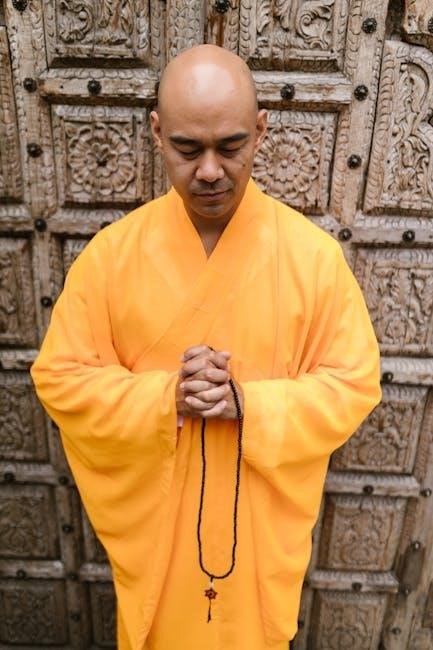
Ranger (Hunter) offers ranged options and improved mobility‚ complementing the Monk’s close-quarters combat․ Paladin (Oath of Vengeance) blends martial skill with divine power‚ though it delays Monk progression․ A small dip into cleric can provide healing․
Avoid classes that dilute the Monk’s core focus on Dexterity and Wisdom․ Prioritize synergy; multiclassing should enhance‚ not hinder‚ the Monk’s unique strengths․ Consider the long-term impact on your character’s progression․
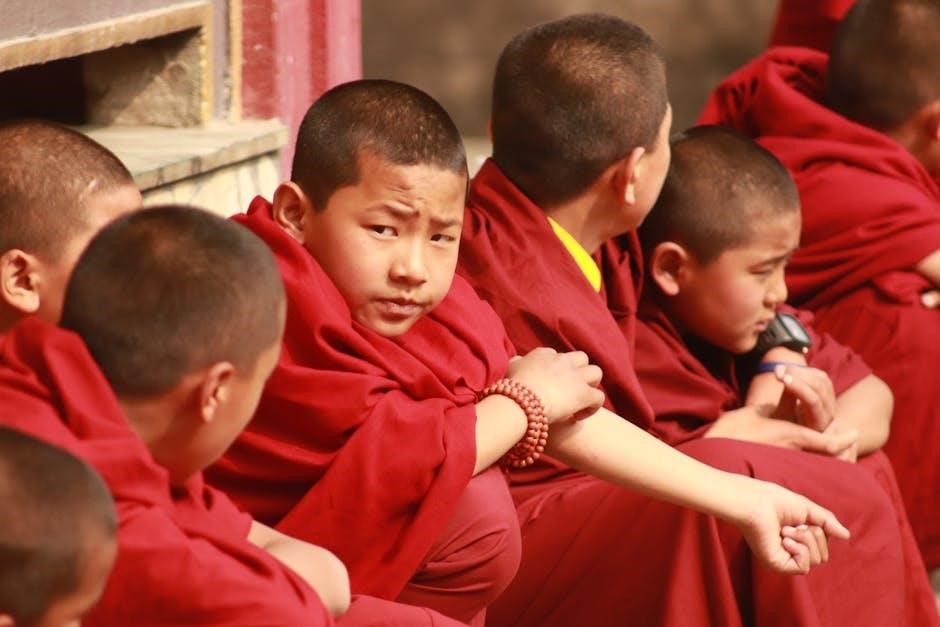
Monk Roleplaying and Character Concepts
Monks often embody philosophies of self-improvement‚ discipline‚ and inner peace‚ influencing their alignment and motivations within the Dungeons & Dragons world․
Monk Philosophy and Alignment
A Monk’s philosophy deeply shapes their character and actions within the Dungeons & Dragons universe․ Many Monks adhere to tenets of self-improvement‚ seeking enlightenment through rigorous physical and mental training․ This pursuit often leads to alignments like Lawful Good or Neutral Good‚ prioritizing balance and compassion․ However‚ a Monk’s path isn’t rigidly defined; some may embrace a more detached‚ Neutral alignment‚ focusing solely on personal mastery․
Others‚ driven by a desire to eradicate evil or correct perceived injustices‚ might lean towards Lawful Neutral or even Chaotic Good․ The Way of Mercy‚ for example‚ often attracts Monks dedicated to alleviating suffering‚ naturally inclining them towards benevolent alignments․ Conversely‚ a Monk who has experienced profound loss or betrayal could adopt a more cynical or vengeful outlook‚ potentially drifting towards Neutral Evil․ Ultimately‚ a Monk’s alignment should reflect their individual journey and interpretation of their monastic teachings․
Backgrounds Suitable for Monks
Selecting a fitting background enhances a Monk’s backstory and roleplaying potential in Dungeons & Dragons․ The Acolyte background seamlessly integrates with a Monk’s monastic upbringing‚ providing knowledge of religious orders and access to temples․ The Hermit background reflects a period of secluded training and spiritual contemplation‚ aligning with the Monk’s disciplined lifestyle․ The Urchin background offers a compelling narrative for a Monk who honed their skills on the streets‚ developing agility and resourcefulness․
Alternatively‚ the Criminal background can portray a Monk seeking redemption through self-discipline‚ while the Folk Hero background suggests a protector of the common people․ Even the Sage background can work‚ representing a Monk dedicated to scholarly pursuits alongside martial arts․ Consider how the background’s skills and features complement the Monk’s abilities and contribute to a unique character concept․