
tattoo aftercare instructions printable
Tattoo Aftercare Instructions: A Comprehensive Guide (Printable)
Maintaining a fresh tattoo’s vibrancy requires diligent aftercare. Gentle washing‚ consistent moisturizing‚ and shielding from sunlight are key to optimal healing and long-lasting results.
Initial Bandage Removal & First 24 Hours
The first 24 hours are critical for your new tattoo. Your artist applied a bandage to protect it from bacteria and irritation; however‚ leaving it on too long can hinder healing. Typically‚ you’ll remove the bandage provided by your artist after 2-6 hours‚ but always follow their specific instructions – they know your skin and the tattoo best.
Once removed‚ gently wash the tattoo with lukewarm water and a mild‚ fragrance-free soap. Avoid harsh scrubbing or abrasive cloths. Pat it dry with a clean paper towel – don’t rub! Applying a very thin layer of recommended aftercare ointment (see ‘Essential Aftercare Supplies’) will keep the area moisturized‚ but avoid over-application‚ as this can suffocate the skin.
During this initial period‚ avoid touching the tattoo unnecessarily. Wear loose-fitting clothing over it to minimize friction and protect it from contaminants. Expect some redness‚ soreness‚ and oozing of plasma – this is normal. Resist the urge to re-bandage unless specifically advised by your artist or a medical professional.
Understanding the Healing Stages
Tattoo healing isn’t instant; it’s a progressive process unfolding in stages. Recognizing these stages helps you provide appropriate care and identify potential issues. The entire process typically takes 2-4 weeks‚ but can vary based on tattoo size‚ location‚ and individual healing abilities.
Initially‚ your tattoo will be inflamed and tender‚ with visible oozing of plasma and ink. This is the body’s natural response to the “wound” created during tattooing. As days pass‚ this inflammation subsides‚ and the tattoo begins to dry out‚ leading to itching and peeling – similar to a sunburn.
Don’t pick at the peeling skin! Allowing it to flake off naturally prevents damage to the underlying color. Finally‚ the skin will appear more matte‚ and the colors may seem slightly duller initially. Over the following weeks‚ the colors will settle and become more vibrant as the deeper layers of skin heal.
Stage 1: The First Week ⎻ Inflammation & Plasma
The initial week post-tattoo is characterized by significant inflammation and the release of plasma‚ a clear fluid composed of water‚ proteins‚ and nutrients. This is a completely normal part of the healing process‚ indicating your body is actively working to repair the “wound”. Expect redness‚ swelling‚ and a degree of tenderness around the tattooed area.
The oozing of plasma‚ mixed with excess ink‚ is also typical. This is why your artist initially bandages the tattoo – to protect it and contain the fluids. During this stage‚ focus on gentle cleansing with a mild‚ fragrance-free soap and lukewarm water. Pat the area dry with a clean paper towel‚ and apply a thin layer of recommended aftercare ointment.
Avoid harsh scrubbing‚ picking‚ or scratching. Keep the area covered loosely to protect it from bacteria and friction‚ but allow it to breathe. Remember‚ this stage is about protecting the tattoo and minimizing the risk of infection.
Stage 2: Week 2-3 ⏤ Itching & Peeling
As your tattoo enters weeks two and three‚ the intense inflammation begins to subside‚ but a new sensation emerges: itching. This is a sign that the skin is healing and regenerating‚ and is often accompanied by noticeable peeling‚ resembling a sunburn. Do not scratch! This is crucial. Scratching can damage the healing skin‚ pull out ink‚ and introduce bacteria‚ potentially leading to infection.
Instead of scratching‚ gently pat the area. Continue cleansing with mild soap and water‚ and consistently apply a thin layer of moisturizer. The peeling skin will flake off naturally‚ revealing newer‚ healthier skin underneath. It’s tempting to assist the process‚ but resist the urge.
Keep the area hydrated to minimize discomfort and promote even peeling. Continue to avoid direct sun exposure and tight clothing. This stage requires patience and discipline to ensure optimal healing and a vibrant final result.
Stage 3: Weeks 3-6 ⏤ Continued Healing & Color Settling
During weeks three to six‚ your tattoo is largely healed‚ but the process isn’t entirely complete. While the surface may appear fully recovered‚ deeper layers of skin continue to regenerate. You might notice subtle color variations as the ink settles within the skin. This is perfectly normal; the tattoo’s final appearance will emerge over the coming months.
Continue moisturizing daily‚ even after the peeling has stopped‚ to keep the skin supple and maintain vibrancy. Sun protection remains paramount – UV rays can fade ink and damage the healed tattoo. Wear protective clothing or apply a broad-spectrum sunscreen with a high SPF.
Avoid harsh chemicals‚ excessive friction‚ and prolonged soaking in water. Listen to your body; if any irritation arises‚ discontinue use of any new products and consult your artist. Consistent care during this stage ensures a beautifully healed and long-lasting tattoo.
Essential Aftercare Supplies
Preparing a dedicated aftercare kit is crucial for optimal tattoo healing. Begin with a fragrance-free‚ antibacterial soap – essential for gentle cleansing without irritation. Opt for a mild‚ unscented lotion or ointment specifically designed for tattoo aftercare; avoid petroleum-based products which can hinder breathability.
Sterile gauze pads are vital for cleaning the tattoo‚ while paper towels are preferable to cloth towels to minimize friction and potential contamination. Consider a bandage wrap to protect the tattoo during the initial stages‚ but prioritize breathable options.
Sunscreen with a high SPF is non-negotiable for long-term care. Finally‚ having a small spray bottle filled with distilled water can be helpful for rinsing. Having these supplies readily available ensures consistent and proper care throughout the healing journey‚ promoting vibrant and healthy skin.
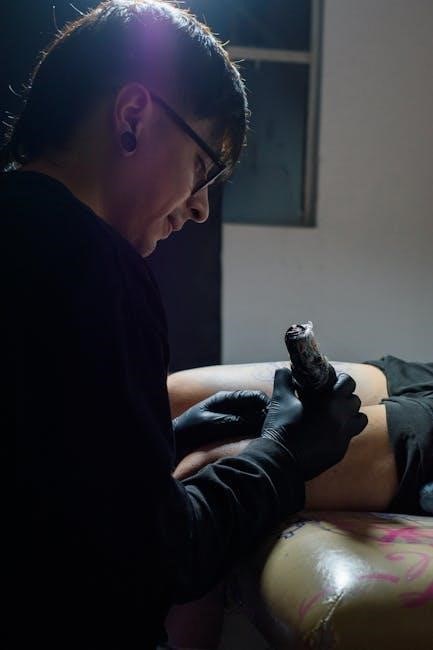
Recommended Cleansers for Tattoo Aftercare
Selecting the right cleanser is paramount for preventing infection and promoting healing. Avoid harsh soaps containing alcohol‚ fragrances‚ or dyes‚ as these can irritate the fresh tattoo. Instead‚ prioritize gentle‚ antibacterial‚ and fragrance-free options. Mild liquid hand soaps are often a good choice‚ ensuring thorough rinsing to remove all residue.
Specifically formulated tattoo washes are also available‚ designed to be pH-balanced and gentle on sensitive skin. Dial Gold liquid hand soap is frequently recommended by artists due to its mildness and antibacterial properties.
When cleansing‚ use lukewarm water and gently lather the soap with clean hands. Avoid scrubbing or using washcloths‚ as these can introduce bacteria and disrupt the healing process. Pat the area dry with a clean paper towel – never rub. Consistent‚ gentle cleansing is key to maintaining a healthy tattoo.
Best Moisturizers for Tattoo Healing
Keeping a new tattoo adequately moisturized is crucial for preventing dryness‚ cracking‚ and scabbing. Opt for fragrance-free and dye-free lotions or balms specifically designed for tattoo aftercare‚ or those suitable for sensitive skin. Avoid petroleum-based products like Vaseline‚ as they can trap bacteria and hinder healing.
Many tattoo artists recommend Aquaphor Healing Ointment for the initial stages of healing‚ applying a very thin layer to keep the tattoo hydrated. Once the initial inflammation subsides‚ switching to a lighter‚ fragrance-free lotion is beneficial.
Lubriderm and Eucerin are popular choices‚ offering effective hydration without irritating the skin. Apply a small amount of moisturizer several times a day‚ gently massaging it into the tattoo. Remember‚ a little goes a long way – avoid over-moisturizing‚ which can also impede healing.
Avoiding Infection: Recognizing the Signs
Maintaining a clean tattoo environment is paramount to preventing infection. While tattoos inherently involve breaking the skin‚ diligent aftercare significantly minimizes risks. Be vigilant for any signs that suggest an infection may be developing‚ as prompt attention is crucial.
Key indicators include excessive redness extending beyond the tattoo’s borders‚ persistent swelling‚ and increasing pain. Unusual or foul-smelling discharge‚ often accompanied by a yellowish or greenish hue‚ is a serious warning sign.
Fever‚ chills‚ and red streaks radiating from the tattoo are also indicative of a potential infection and require immediate medical attention. It’s important to differentiate normal healing symptoms – like mild redness and slight swelling – from these more concerning signs.

Signs of a Tattoo Infection
Recognizing the specific signs of a tattoo infection is critical for timely intervention. While some discomfort and minor inflammation are normal during healing‚ certain symptoms demand immediate attention. These indicators signal that the tattoo may have become infected‚ requiring professional medical care.

Look for increased and persistent pain at the tattoo site‚ significantly beyond the initial tenderness. Excessive redness spreading outwards‚ accompanied by noticeable swelling‚ is a key warning sign. The presence of pus – a thick‚ yellowish or greenish discharge – is a clear indication of infection.
Other concerning symptoms include fever‚ chills‚ and red streaks emanating from the tattoo. A foul odor originating from the tattoo area also suggests infection. If you experience any combination of these symptoms‚ do not hesitate to seek medical advice promptly.
When to Seek Medical Attention
Knowing precisely when to seek professional medical attention is paramount during tattoo aftercare. While minor redness‚ swelling‚ and discomfort are expected in the initial healing phases‚ certain symptoms necessitate immediate intervention to prevent complications.
Consult a doctor if you observe signs of infection‚ such as excessive pus‚ spreading redness‚ increasing pain‚ fever‚ or chills. Red streaks radiating from the tattoo are a particularly alarming sign‚ indicating a potentially serious infection. Don’t attempt self-treatment with antibiotics; a medical professional must diagnose and prescribe appropriate medication.
If you experience allergic reactions – characterized by severe itching‚ hives‚ or difficulty breathing – seek emergency medical care immediately. Similarly‚ if you suspect a keloid formation (raised‚ thickened scar) or have concerns about unusual healing patterns‚ a medical evaluation is crucial. Prioritize your health and don’t delay seeking help when needed.
Sun Protection for Tattoos: A Lifelong Commitment
Protecting your tattoo from the sun is not merely a temporary aftercare step; it’s a lifelong commitment to preserving its vibrancy and integrity. Ultraviolet (UV) rays are notorious for fading tattoo ink‚ causing colors to become dull and lines to blur over time. Prolonged sun exposure can also damage the skin surrounding the tattoo‚ leading to premature aging and potential scarring.
Always apply a broad-spectrum sunscreen with a high SPF (30 or higher) to your tattoo whenever it’s exposed to sunlight‚ even on cloudy days. Reapply frequently‚ especially after swimming or sweating. Consider wearing protective clothing‚ such as long sleeves or hats‚ to shield your tattoo from direct sun exposure.
Faded ink isn’t the only concern; sun damage weakens the skin‚ making it more susceptible to infection and other complications. Consistent sun protection is the single most effective way to maintain your tattoo’s appearance for years to come.
The Importance of Sunscreen
Sunscreen is arguably the most crucial element in long-term tattoo care‚ acting as a shield against the damaging effects of ultraviolet (UV) radiation. UV rays break down the ink particles within your skin‚ leading to noticeable fading and a loss of color saturation over time. This process isn’t immediate‚ but consistent exposure without protection will inevitably diminish your tattoo’s vibrancy.
When selecting a sunscreen‚ prioritize broad-spectrum protection‚ meaning it defends against both UVA and UVB rays. An SPF of 30 or higher is recommended for adequate defense. Apply a generous amount to the tattooed area 15-30 minutes before sun exposure‚ and reapply every two hours‚ or more frequently if swimming or sweating.
Don’t underestimate the power of daily sunscreen use‚ even on cloudy days‚ as UV rays can penetrate clouds. Protecting your tattoo with sunscreen is an investment in its longevity and aesthetic appeal.
Clothing Choices & Tattoo Exposure

The clothing you wear plays a significant role in protecting your healing – and future – tattoo. During the initial healing phase‚ opt for loose-fitting‚ breathable fabrics like cotton. Avoid tight clothing that can rub against the tattoo‚ causing irritation‚ hindering airflow‚ and potentially disrupting the healing process. Friction can lead to scabbing and even pull out ink.
Consider the location of your tattoo when choosing outfits. For tattoos on arms or legs‚ long sleeves and pants offer physical protection from the sun and accidental bumps. However‚ ensure these garments aren’t constricting.
Even after healing‚ continue to be mindful of clothing choices. Darker fabrics can absorb more heat‚ potentially irritating a fully healed tattoo during warmer months. Prioritize comfort and protection to maintain your tattoo’s vibrancy for years to come.
What to Avoid During Tattoo Healing
Protecting your new tattoo means knowing what to avoid during the crucial healing period. Steer clear of direct sun exposure‚ as UV rays can fade the ink and damage the skin. When unavoidable‚ use appropriate sun protection – more on that later! Submerging your tattoo in water (baths‚ swimming‚ hot tubs) is a major no-no‚ increasing infection risk.
Resist the urge to pick‚ scratch‚ or peel the scabs that form. This can pull out ink and lead to scarring. Avoid harsh soaps‚ scented lotions‚ and abrasive materials that can irritate the skin. Certain activities‚ like intense exercise causing excessive sweating‚ should be limited initially.
Furthermore‚ be mindful of your overall health; a compromised immune system can hinder healing. Prioritize rest‚ hydration‚ and a balanced diet to support your body’s natural recovery process.
Foods to Avoid During Tattoo Healing

Supporting your tattoo’s healing from the inside out involves mindful dietary choices. While a balanced diet is always beneficial‚ certain foods can potentially hinder the process. It’s wise to limit processed foods high in sugar and unhealthy fats‚ as these can trigger inflammation and slow down recovery.
Alcohol should be avoided‚ as it thins the blood and can increase bleeding and swelling. Similarly‚ excessive caffeine intake can have a similar effect. Spicy foods might cause irritation and discomfort in the newly tattooed area. Some suggest limiting foods known to cause allergic reactions‚ as this could complicate healing.
Focus instead on nutrient-rich foods like lean proteins‚ fruits‚ and vegetables‚ which provide the building blocks for tissue repair. Staying hydrated is also crucial‚ so drink plenty of water throughout the day to support optimal healing.
Activities to Avoid During Tattoo Healing
Protecting your new tattoo requires temporarily modifying your activity levels. Avoid activities that could cause excessive friction‚ trauma‚ or contamination of the healing wound. This includes rigorous exercise‚ swimming‚ and prolonged sun exposure. Submerging the tattoo in water (baths‚ pools‚ oceans) increases the risk of infection.
Tight clothing that rubs against the tattoo should be avoided‚ opting instead for loose-fitting garments. Refrain from picking‚ scratching‚ or peeling the scabs‚ as this can lead to scarring and ink loss. Heavy lifting or strenuous physical labor can strain the tattooed area and impede healing.
Be mindful of your environment and avoid situations where the tattoo might be exposed to dirt‚ dust‚ or other potential irritants. Prioritize rest and allow your body to focus on the healing process.
Long-Term Tattoo Care & Maintenance
Preserving your tattoo’s brilliance extends far beyond the initial healing phase. Consistent sun protection is paramount; UV rays fade ink over time‚ diminishing vibrancy. Apply a broad-spectrum sunscreen with a high SPF whenever the tattoo is exposed to sunlight‚ even on cloudy days.

Regular moisturizing keeps the skin hydrated‚ enhancing the tattoo’s appearance. Choose a fragrance-free‚ hypoallergenic lotion to avoid irritation. Gentle cleansing maintains skin health and prevents buildup. Avoid harsh soaps or exfoliants that can damage the ink.
A healthy lifestyle contributes to skin elasticity and overall tattoo health. Stay hydrated‚ eat a balanced diet‚ and avoid smoking‚ which can accelerate skin aging. Consider occasional touch-ups to refresh faded areas and maintain the tattoo’s original impact.
Keeping Your Tattoo Vibrant
Maintaining a tattoo’s vivid colors requires proactive‚ long-term care. The most significant threat to ink vibrancy is sun exposure. UV rays break down pigment‚ causing fading and blurring. Diligently apply a broad-spectrum sunscreen with a high SPF (30 or higher) whenever your tattoo is exposed‚ even through clothing.

Hydrated skin showcases tattoo colors more effectively. Regularly moisturize with a fragrance-free lotion to keep the skin supple and prevent dryness. Avoid harsh chemicals‚ abrasive scrubs‚ and prolonged soaking in water‚ as these can strip the skin of moisture and dull the ink.
A healthy lifestyle supports skin health. Proper hydration‚ a balanced diet rich in antioxidants‚ and avoiding smoking all contribute to maintaining vibrant skin and‚ consequently‚ a vibrant tattoo. Consider professional touch-ups as needed to restore faded areas.
Dealing with Faded Ink
Faded tattoos are common over time‚ but several options exist to restore their vibrancy. The primary cause of fading is sun exposure‚ emphasizing the importance of consistent sun protection. However‚ natural skin cell turnover and ink particle breakdown also contribute.
A professional tattoo touch-up is the most effective solution. A skilled artist can re-saturate faded areas with fresh ink‚ revitalizing the design. The cost and complexity of a touch-up depend on the tattoo’s size‚ detail‚ and the extent of fading.
Laser tattoo removal is an option for significant fading or unwanted tattoos‚ but it’s a more drastic measure. Multiple sessions are required‚ and it can be expensive. Before considering removal‚ explore touch-up options. Maintaining overall skin health through hydration and a healthy lifestyle can also minimize further fading.
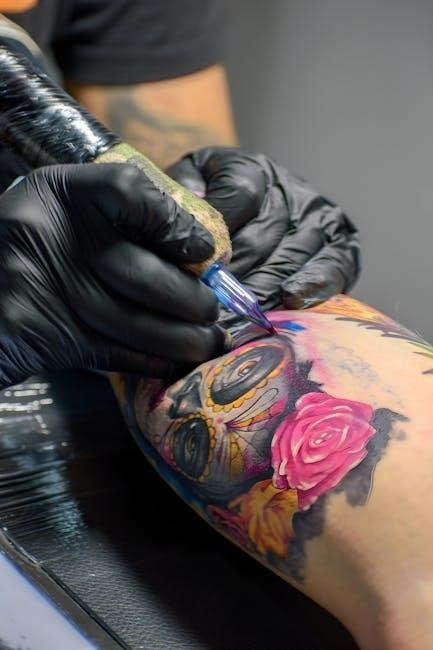
Tattoo Aftercare by Tattoo Type
Different tattoo styles may require slightly adjusted aftercare routines. Color tattoos‚ with their broader spectrum of pigments‚ often need more diligent sun protection to prevent fading. The lighter pigments are more susceptible to UV damage‚ requiring consistent SPF application even years after healing.
Black and grey tattoos‚ while generally more resilient to fading‚ still benefit from meticulous aftercare. Keeping the skin hydrated is crucial for maintaining the depth and contrast of the shades. Pay close attention to peeling‚ as it can affect the uniformity of grey shading.
Fine-line tattoos require extra care during the initial healing phase. Their delicate lines are more prone to distortion if the tattoo is rubbed or irritated. Gentle cleansing and minimal friction are essential. Always follow your artist’s specific recommendations‚ as they know their techniques best.
Color Tattoo Aftercare
Color tattoos demand heightened aftercare attention due to pigment sensitivity. The vibrant hues rely on skin health for longevity‚ making sun protection paramount. UV rays rapidly break down colored inks‚ leading to noticeable fading and dullness over time. Apply a broad-spectrum sunscreen with a high SPF (30 or higher) daily‚ even on cloudy days.
Hydration is also critical; well-moisturized skin displays colors more vividly. Use a fragrance-free‚ hypoallergenic moisturizer several times a day during the healing process and continue afterward. Avoid harsh soaps and exfoliants that can strip the skin of its natural oils and compromise pigment integrity.
Be mindful of clothing choices‚ opting for loose-fitting garments to prevent friction. Consistent‚ gentle care will ensure your colorful artwork remains brilliant for years to come. Follow your artist’s specific guidance for optimal results.
Black and Grey Tattoo Aftercare
While generally less prone to fading than color tattoos‚ black and grey work still requires dedicated aftercare. Maintaining skin health is crucial for preserving the contrast and depth of shading. Consistent moisturizing prevents dryness‚ which can cause lines to appear blurred or patchy.
Sun exposure‚ though affecting all tattoos‚ can subtly diminish the richness of black ink over time. Regular sunscreen application is still highly recommended‚ even if the fading isn’t as dramatic as with colors. Gentle cleansing with a mild‚ fragrance-free soap removes debris without irritating the skin.
Avoid picking at scabs‚ as this can pull out ink and create uneven patches. Proper hydration‚ both internally and externally‚ supports the skin’s natural healing process. Following your artist’s specific instructions will ensure your black and grey tattoo remains bold and defined.

Printable Tattoo Aftercare Sheet
This printable sheet consolidates essential aftercare instructions for optimal tattoo healing. Download and display it for easy reference during the crucial recovery period. Remember‚ proper care minimizes risks and maximizes the vibrancy of your new artwork.
Initial Care (24-48 hours): Gently wash with mild soap and water 2-3 times daily. Pat dry with a clean paper towel. Apply a thin layer of recommended moisturizer. Keep the area clean and dry.
Week 1-2: Continue washing and moisturizing 2-3 times daily. Expect redness‚ swelling‚ and some plasma buildup – this is normal. Avoid direct sunlight‚ soaking‚ and tight clothing.
Weeks 3-6: Itching and peeling are common. Resist picking! Continue moisturizing. Sun protection is vital. If you notice signs of infection (excessive redness‚ pus‚ fever)‚ seek medical attention immediately.
Long-Term Care: Keep your tattoo hydrated and protected from the sun. Enjoy your beautiful‚ well-cared-for ink!