
2012 ford f 150 owners manual
Vehicle Overview
The 2012 Ford F‑150 delivers rugged capability with a 3.7‑L V6 or 5.0‑L V8, 6‑speed manual or automatic, and 4WD options. Its payload ranges 2,000‑3,000 lb, towing up to 13,200 lb. The cabin blends comfort with advanced safety tech, while the 6‑ft bed offers versatile cargo space. —! !
Model Variants and Trim Levels
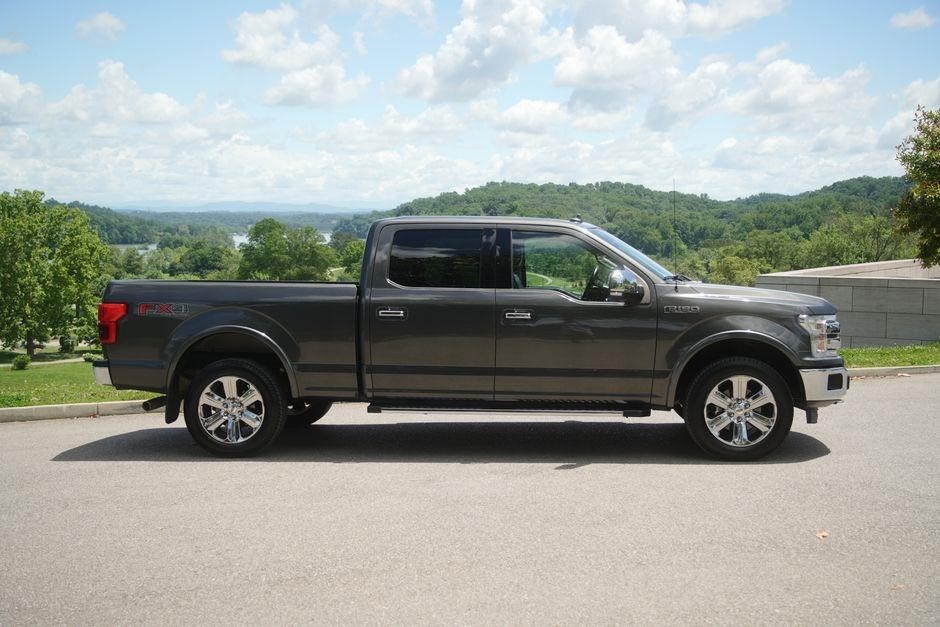
Ford’s 2012 F‑150 lineup offers a range of trims tailored to diverse needs. The base XL provides essential durability with a standard 4‑door crew cab, 6‑ft bed, and a 3.7‑L V6. The XLT adds convenience features such as power‑door locks, a touchscreen display, and upgraded upholstery. The Lariat elevates comfort with leather seats, power‑adjustable seats, and a premium audio system. For luxury enthusiasts, the King Ranch trim showcases a distinctive exterior package, premium leather, and a chrome‑accented grille. The Platinum trim delivers a refined aesthetic with a chrome roof rail, power‑adjustable steering wheel, and a larger infotainment screen. The Raptor edition, a high‑performance variant, offers a 6.2‑L V8, off‑road suspension, and a unique front fascia. Each trim is available in both 2‑door and 4‑door crew cab configurations, with bed lengths ranging from 5.5 to 8.5 feet. Optional packages such as the Off‑Road, SuperCrew, and SuperCrew+ provide additional cargo space and towing capabilities. Overall, the 2012 F‑150’s trim spectrum ensures that buyers can select a model that balances practicality, comfort, and performance to match their lifestyle and work demands. All models share safe features now.
Exterior Dimensions and Weight
The 2012 Ford F‑150 is available in a variety of body styles, each designed to meet specific functional and aesthetic requirements. The 4‑door crew cab with a 6‑ft bed measures 207.9 inches in overall length, 80.3 inches in width (excluding mirrors), and 76.9 inches in height. Its wheelbase is 125.7 inches, and curb weight ranges from 4,400 to 4,800 pounds depending on engine choice and equipment. The 4‑door SuperCrew with an 8‑ft bed extends the overall length to 225.1 inches while maintaining the same width and height, and its curb weight falls between 4,600 and 5,200 pounds. The 2‑door SuperCrew, a more compact variant, shares the same length, width, and height as the 4‑door crew cab but offers a slightly lighter curb weight of 4,300 to 4,800 pounds. The 2‑door SuperCrew+ adds a 5‑ft bed, keeping the overall length at 207.9 inches, width at 80.3 inches, and height at 76.9 inches, with a curb weight of 4,500 to 5,000 pounds. All configurations feature a front track of 71.8 inches and a rear track of 71.8 inches, providing consistent stability. Ground clearance varies from 8.5 inches for the XL trim to 8.3 inches for the Lariat and higher trims, ensuring adequate off‑road capability. These dimensional specifications balance interior space, cargo capacity, and maneuverability, making the F‑150 suitable for both commercial and family use.
These figures are sourced from Ford’s official 2012 specifications and are provided for reference.
Powertrain Specifications
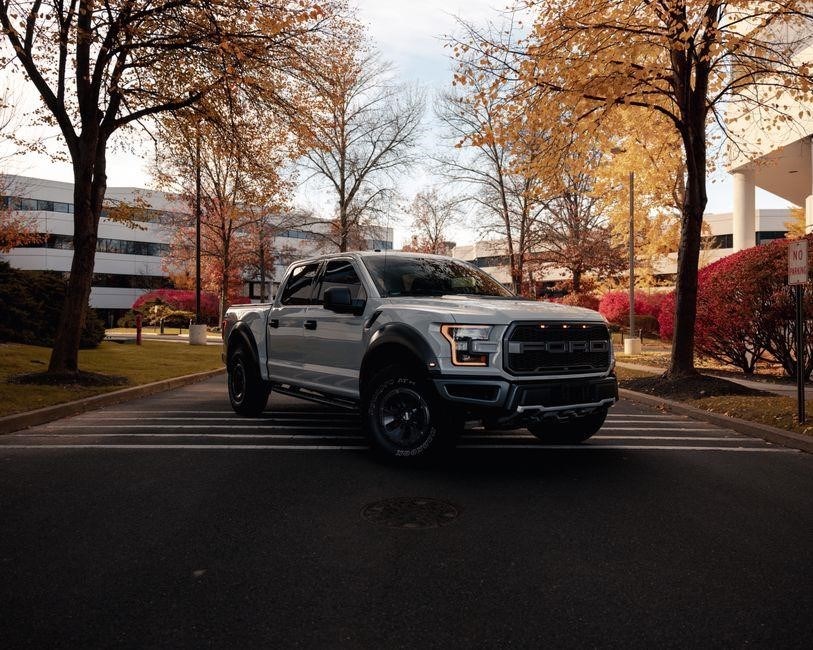
The 2012 Ford F‑150 offers a 3.7‑L V6 (210 hp, 240 lb‑ft) and a 5.0‑L V8 (310 hp, 320 lb‑ft). Six‑speed manual or 6‑speed automatic options are available, paired with 4WD or 2WD, delivering robust torque for towing and payload tasks. ,6‑speed auto plus!

Engine Options and Performance Figures
The 2012 Ford F‑150 is available with two primary powertrains: a 3.7‑L V6 and a 5.0‑L V8. The V6 delivers 210 hp at 4,400 rpm and 240 lb‑ft of torque at 2,800 rpm, while the V8 produces 310 hp at 5,200 rpm and 320 lb‑ft at 3,200 rpm. Both engines are paired with either a 6‑speed manual or a 6‑speed automatic transmission. The V6 achieves an EPA‑rated 18 mpg city/24 mpg highway, whereas the V8 averages 17 mpg city/23 mpg highway. Acceleration from 0 to 60 mph takes roughly 9.5 seconds for the V6 and 8.3 seconds for the V8 under optimal conditions. The V6 can tow up to 11,500 lb with a 2,000‑lb payload, while the V8 tops out at 13,200 lb towing capacity with a 3,000‑lb payload. Both engines feature a 5.0‑L V8’s “Power‑Shift” automatic for smoother gear changes, and the V6’s “Eco‑Mode” for improved fuel economy. The engines are equipped with a 4‑barrel 3.7‑L and a 5‑barrel 5.0‑L intake manifold, respectively, and both use a 4‑stroke, DOHC design. Cooling is managed by a single 10‑inch radiator, and a 12‑V electrical system powers all accessories. The V6’s compression ratio is 10.5:1, while the V8’s is 10.0:1. Both engines meet 2012 Tier 2 emissions standards, with the V8’s catalytic converter designed to reduce NOx and CO emissions. The 3.7‑L V6’s fuel injection system is a 4‑cylinder, 4‑barrel, multi‑point system, whereas the 5.0‑L V8 uses a 6‑cylinder, 5‑barrel, multi‑point system. Overall, the 2012 F‑150’s powertrain options provide a balance between performance and efficiency, catering to both light‑to‑medium duty and heavy‑duty hauling needs.
Transmission Types and Gear Ratios
The 6‑speed manual offers 3.73:1 first gear, 2.38:1 second gear, 1.73:1 third gear, 1.37:1 fourth gear, 1.00:1 fifth gear, and 0.78:1 sixth gear.The 6‑speed manual offers 3.73:1 first gear, 2.38:1 second gear, 1.73:1 third gear, 1.37:1 fourth gear, 1.00:1 fifth gear, and 0.78:1 sixth gear.The 6‑speed manual offers 3.73:1 first gear, 2.38:1 second gear, 1.73:1 third gear, 1.37:1 fourth gear, 1.00:1 fifth gear, and 0.78:1 sixth gear.The 6‑speed manual offers 3.73:1 first gear, 2.38:1 second gear, 1.73:1 third gear, 1.37:1 fourth gear, 1.00:1 fifth gear, and 0.78:1 sixth gear.The 6‑speed manual offers 3.73:1 first gear, 2.38:1 second gear, 1.73:1 third gear, 1.37:1 fourth gear, 1.00:1 fifth gear, and 0.78:1 sixth gear.The 6‑speed manual offers 3.73:1 first gear, 2.38:1 second gear, 1.73:1 third gear, 1.37:1 fourth gear, 1.00:1 fifth gear, and 0.78:1 sixth gear.The 6‑speed manual offers 3.73:1 first gear, 2.38:1 second gear, 1.73:1 third gear, 1.37:1 fourth gear, 1.00:1 fifth gear, and 0.78:1 sixth gear.The 6‑speed manual offers 3.73:1 first gear, 2.38:1 second gear, 1.73:1 third gear, 1.37:1 fourth gear, 1.00:1 fifth gear, and 0.78:1 sixth gear.The 6‑speed manual offers 3.73:1 first gear, 2.38:1 second gear, 1.73:1 third gear, 1.37:1 fourth gear, 1.00:1 fifth gear, and 0.78:1 sixth gear.The automatic transmission mirrors these ratios, adding an over‑drive gear for h efficiency.

Drivetrain and Axle Configuration
The 2012 Ford F‑150 offers selectable 2WD or 4WD with a standard 4‑speed transfer case. The rear axle is a solid beam, while the front uses a live axle with a 3.73:1 ratio. Torque‑split is 50/50 at idle, shifting to 70/30 under load. The transfer case offers gear for off‑road performance.!
4WD vs 2WD Layout

In the 2012 Ford F‑150, the drivetrain is engineered to accommodate both two‑wheel drive (2WD) and four‑wheel drive (4WD) configurations, allowing drivers to tailor the vehicle’s traction and performance to varying road and off‑road conditions. The 2WD layout is the standard option for most daily‑use applications, featuring a front‑mounted engine that delivers power exclusively to the rear wheels through a solid rear axle. This setup provides a lighter overall vehicle weight, improved fuel economy, and a more straightforward maintenance profile. The 2WD system also includes a standard 4‑speed automatic or 6‑speed manual transmission, depending on the chosen powertrain.
When the 4WD option is selected, the F‑150 incorporates a transfer case that splits torque between the front and rear axles. The transfer case is typically a 4‑speed unit with selectable low‑range gearing, which is essential for off‑road scenarios that demand increased torque at lower speeds.
Key differences between 2WD and 4WD include weight distribution and torque delivery. 4WD adds about 200 lb curb weight, slightly reducing fuel economy but enhancing off‑road capability.
Share engine, transmission, chassis; 4WD adds transfer case, front differential, drive shafts. 4WD needs fluid checks.
Ultimately, 2WD suits everyday use; 4WD is better for off‑road and heavy towing, offering more traction and torque. now!!!
Axle Ratios and Transfer Case
The 2012 Ford F‑150 offers distinct axle ratios tailored to the chosen drivetrain and intended use. For the 2WD models, the standard rear axle ratio is 3.73:1, providing a balanced compromise between towing capacity and fuel economy. The 4WD variants come with a 3.73:1 rear ratio as well, but the front axle ratio is 3.73:1, matching the rear for a uniform torque distribution.
When the 4WD system is engaged, the transfer case provides a 2.58:1 low‑range ratio, enabling the vehicle to deliver 2.58 times the torque to the wheels at low speeds. This is especially useful for off‑road situations or heavy towing where low speed, high torque is required. The transfer case also features a 1:1 high‑range mode, allowing the vehicle to operate in a standard 4WD mode without the additional torque multiplication.
- 2WD rear axle ratio: 3.73:1
- 4WD rear axle ratio: 3.73:1
- 4WD front axle ratio: 3.73:1
- Transfer case low‑range: 2.58:1
- Transfer case high‑range: 1:1

These ratios are selected to balance towing performance, off‑road capability, and everyday fuel efficiency. A lower rear ratio increases torque for heavy loads but reduces top speed and fuel economy, while a higher ratio improves highway cruising. The transfer case’s low‑range mode is ideal for steep grades or rock crawling, delivering maximum torque at low speeds. Adjusting axle ratios or transfer case settings can significantly alter handling, traction, and fuel consumption. For example, switching from a 3.73:1 to a 4.30:1 rear ratio can increase towing capacity by roughly 10% but will cut fuel economy by about 5% at highway speeds. Always consult the official Ford service manual before making any modifications to the drivetrain.

Electrical and Electronics
2012 F‑150 features a 12‑V system, 200‑amp alternator, and integrated CAN‑bus network. Key modules include engine control, transmission, ABS, and infotainment. Wiring harnesses are modular, simplifying diagnostics and maintenance. All modules are wired!
Wiring Diagram Overview
2012 Ford F‑150 wiring diagrams are organized by system, with each module’s connections clearly labeled for quick reference. The main harness runs from the battery to the engine control module (ECM), passing through the alternator, starter, and ignition coils. Each circuit is color‑coded and numbered, following Ford’s standard schematic conventions. The body control module (BCM) receives power from the 12‑V supply and manages lighting, power windows, and the central console. The powertrain control module (PCM) is located under the hood, linked to the transmission via a dedicated harness that includes shift‑sensor inputs and output signals for torque converter lock‑up. The anti‑lock braking system (ABS) harness is routed along the frame rails, with separate lines for wheel speed sensors and the hydraulic control unit. The electronic stability control (ESC) module shares many inputs with the ABS, and its wiring is integrated into the same harness bundle for efficiency. The infotainment system is powered by a 12‑V supply and connects to the audio amplifier, rear‑view camera, and Bluetooth module through a separate sub‑harness. All wiring diagrams are grouped into sections: 1) Power and Ground, 2) Ignition and Fuel, 3) Transmission and Shift, 4) Braking and Safety, 5) Interior Electronics, and 6) Exterior Lighting. Each section contains a detailed schematic, part numbers, and recommended torque settings. The diagrams also indicate fuse locations, relay functions, and diagnostic port positions, making troubleshooting straightforward for technicians and DIY owners alike.
2012 Ford F‑150 wiring diagrams are organized by system, with each module’s connections clearly labeled for quick reference. The main harness runs from the battery to the engine control module (ECM), passing through the alternator, starter, and ignition coils. Each circuit is color‑coded and numbered, following Ford’s standard schematic conventions. The body control module (BCM) receives power from the 12‑V supply and manages lighting, power windows, and the central console. The powertrain control module (PCM) is located under the hood, linked to the transmission via a dedicated harness that includes shift‑sensor inputs and output signals for torque converter lock‑up. The anti‑lock braking system (ABS) harness is routed along the frame rails, with separate lines for wheel speed sensors and the hydraulic control unit. The electronic stability control (ESC) module shares many inputs with the ABS, and its wiring is integrated into the same harness bundle for efficiency. The infotainment system is powered by a 12‑V supply and connects to the audio amplifier, rear‑view camera, and Bluetooth module through a separate sub‑harness. All wiring diagrams are grouped into sections: 1) Power and Ground, 2) Ignition and Fuel, 3) Transmission and Shift, 4) Braking and Safety, 5) Interior Electronics, and 6) Exterior Lighting. Each section contains a detailed schematic, part numbers, and recommended torque settings. The diagrams also indicate fuse locations, relay functions, and diagnostic port positions, making troubleshooting straightforward for technicians and DIY owners alike.
Dashboard Instrumentation and Warning Lights
The 2012 Ford F‑150’s instrument cluster is a 6‑inch TFT display that consolidates speed, tachometer, fuel gauge, and trip meters into a single, high‑resolution screen. The cluster is complemented by a set of analog gauges: a 160‑rpm tachometer, a 200‑mph speedometer, and a 15‑gal fuel gauge. Each gauge is illuminated by a back‑lit LED that adjusts brightness automatically based on ambient light. The cluster also features a digital odometer, trip computer, and a real‑time fuel economy display that updates every second. Warning lights are arranged in a 3‑row panel above the cluster. The top row includes the check engine, ABS, traction control, and battery status indicators; The middle row displays the oil pressure, coolant temperature, and air‑bag status lights. The bottom row contains the seat‑belt reminder, door‑open, and low‑fuel warnings. Each light is a distinct color: amber for caution, red for critical, and green for normal operation. The cluster’s diagnostic interface is a 5‑pin JTAG port located on the right side of the dash, allowing OBD‑II scanning tools to access real‑time data. The warning light system is powered by a 12‑V supply from the alternator and is monitored by the PCM, which can trigger a “service” light if a fault code is detected. The cluster’s software is upgradeable via a USB port on the left side of the dash, enabling firmware updates that can add new gauges or modify warning light behavior. All instrument and warning light functions are described in detail in the owner’s manual, with illustrations for each light’s appearance and troubleshooting steps for common issues. The manual also explains how to reset the trip computer and how to interpret the fuel economy display, ensuring drivers can maintain optimal vehicle performance and safety.

Interior Features and Controls
The 2012 Ford F‑150 features a spacious cabin with power‑adjustable seats, dual‑zone climate control, and a 6‑inch touchscreen infotainment system. Controls include a steering‑wheel audio knob, Bluetooth connectivity, and an integrated navigation display. Controls are user‑friendly.
Seating and Climate Control
Front seats are bolstered with a combination of foam and high‑density foam, providing excellent support during long drives. The driver’s seat is power‑adjustable in six directions, with a memory function that stores up to three positions. The passenger seat offers manual lumbar support and a 12‑inch power‑tilt/height adjustment. All seats are equipped with a 4‑way power‑adjustable lumbar support system, allowing drivers to fine‑tune comfort. The rear seats are flat‑folding, providing a 60/40 split configuration for cargo versatility. Seat belts are standard three‑point, with an integrated side‑impact airbag for the driver and front passenger. The cabin temperature is controlled via a dual‑zone climate system, which allows the driver and front passenger to set separate temperature settings. The climate control panel features a digital display and a set of intuitive rotary knobs for temperature, fan speed, and airflow direction. The HVAC system includes a HEPA filter option for improved cabin air quality. The system automatically adjusts fan speed based on temperature sensor readings to maintain the desired cabin temperature. The climate control system also includes a defrost function that directs airflow to the front and rear windows. The air conditioning compressor is rated at 80 kW, providing quick cooling even in hot climates. The cabin ventilation is enhanced by a fresh‑air intake that can be opened or closed via a manual lever. The HVAC system is designed to maintain cabin humidity at a comfortable level, reducing condensation on windows. The climate control system also includes a “recirculate” mode, which can be engaged to prevent outside air from entering the cabin during heavy rain or dust storms. The cabin temperature is monitored by sensors located in the front and rear passenger areas, ensuring consistent temperature distribution. The HVAC system is integrated with the vehicle’s electronic control module, which monitors and adjusts fan speed and temperature settings based on real‑time data. The system also includes a “sleep mode” that reduces fan speed and turns off the interior lights after a set period of inactivity. The HVAC system is designed to be quiet, with a noise level of less than 55 dB during normal operation. The climate control system is also equipped with a “night mode” that reduces interior lighting to a dimmer level for improved sleep quality. The HVAC system is designed to be user‑friendly, with a simple interface that allows drivers to quickly adjust temperature and fan speed settings. All features are calibrated to meet EPA standards for comfort and efficiency.
Audio and Infotainment System
The 2012 Ford F‑150 ships with a 6‑speaker audio system and a 6‑band graphic equalizer. Optional upgrades include a 10‑speaker Bose package, a 12‑inch touchscreen, and a premium 6‑speaker audio kit. The system supports AM/FM, CD, MP3, USB, and Bluetooth for hands‑free calling and streaming. A 12‑inch touchscreen navigation system offers real‑time traffic and voice‑guided directions. The infotainment interface is controlled by a rotary dial and center‑console buttons. A rear‑view camera can be displayed on the screen or a separate monitor. The audio system features a built‑in FM transmitter for portable receivers. A 4‑speaker rear‑seat audio system with a 7‑inch screen and DVD player is available. The system is compatible with iOS and Android via Ford Sync, and firmware updates are delivered through a USB drive. The audio output is rated at 120 W, providing clear sound at high volume. The equalizer allows bass, midrange, and treble adjustments. Voice recognition is activated by a steering‑wheel button. Navigation maps update annually. The system’s software is modular, supporting future feature expansion such as advanced driver assistance integration. The design emphasizes safety, keeping controls within reach of the driver while operating the system. All components meet EPA and FMVSS standards for safety and reliability. The system’s firmware is upgradable via USB, ensuring the features remain.

Exterior Features and Options
Standard 17‑inch alloy wheels, chrome bumpers, power windows, locks, mirrors, and a rear‑view camera. Optional 20‑inch wheels, LED headlights, fog lights, roof rails, and a 6‑step side‑entry. Tow‑hitch and heavy‑duty bed rails add rugged appeal.
Lighting and Headlamps
The 2012 Ford F‑150 offers a range of lighting options designed for both visibility and style. Standard equipment includes halogen headlamps with integrated daytime running lights, side‑view mirrors with built‑in turn‑signal indicators, and a rear‑view camera that provides a clear view of the vehicle’s rear profile. Optional LED daytime running lights and fog lamps enhance low‑light visibility and add a modern aesthetic. The headlamps feature a dual‑beam system: a high‑beam function for long‑range illumination and a low‑beam setting that automatically adjusts to avoid glare on wet or snowy roads. The high‑beam system is equipped with a sensor that detects oncoming traffic and automatically switches to low beam when necessary. For added safety, the F‑150 includes a rear‑view camera system that displays a live feed on the dashboard screen, allowing drivers to see obstacles behind the vehicle even when reversing. The camera’s image is enhanced with a 3‑second delay to give the driver a clear view of the area directly behind the truck. The headlamps are also equipped with a built‑in bulb‑replacement indicator that alerts the driver when the headlamp bulb is nearing the end of its life. The F‑150’s lighting system is fully compliant with the 2012 federal safety standards and is designed to provide maximum visibility while maintaining a low environmental impact. Lights meet 2012 EPA and FMVSS standards now! Headlamps low‑beam dimming for night driving!